The Wire – “Uncovering Extra-Judicial Killings in Punjab, and the Police Impunity That Followed”
Uncovering Extra-Judicial Killings in Punjab, and the Police Impunity That Followed
A recently-released report by an advocacy group claims that over 8,000 extra-judicial executions and enforced disappearances took place in the state between 1980 and 1995.

Representative image. Credit: PTI
The death toll from enforced disappearances, extra-judicial killings and illegal cremations continues to grow in Punjab, according to the report ‘Identifying the Unidentified’ by the Punjab Documentation and Advocacy Project (PDAP). The organisation has, as part of a seven-year investigation, unearthed 8,257 instances of such killings between the 1980s and the mid-1990s, when Punjab was in the throes of militancy and counter insurgency.
PDAP undertook this investigation in order to identify the true identities of the thousands of victims of enforced disappearances whose whereabouts remain unknown to this day.
The PDAP and its team of volunteers travelled to several districts of Punjab including Gurdaspur, Batala, Pathankot, Ferozepur, Jalandhar, Nakodar, Jagraon, Mansa, Kapurthala, Sultanpur Lodhi, Hoshiarpur, Dasuya, Faridkot, Ludhiana, Moga, Nangal, Anandpur Sahib, Zira, Muktsar, Barnala, Sangrur and Phagwara. By obtaining records from all the municipal committees of these districts, they were able to identify hundreds of victims who were cremated as unclaimed and were unidentified by the Punjab police.
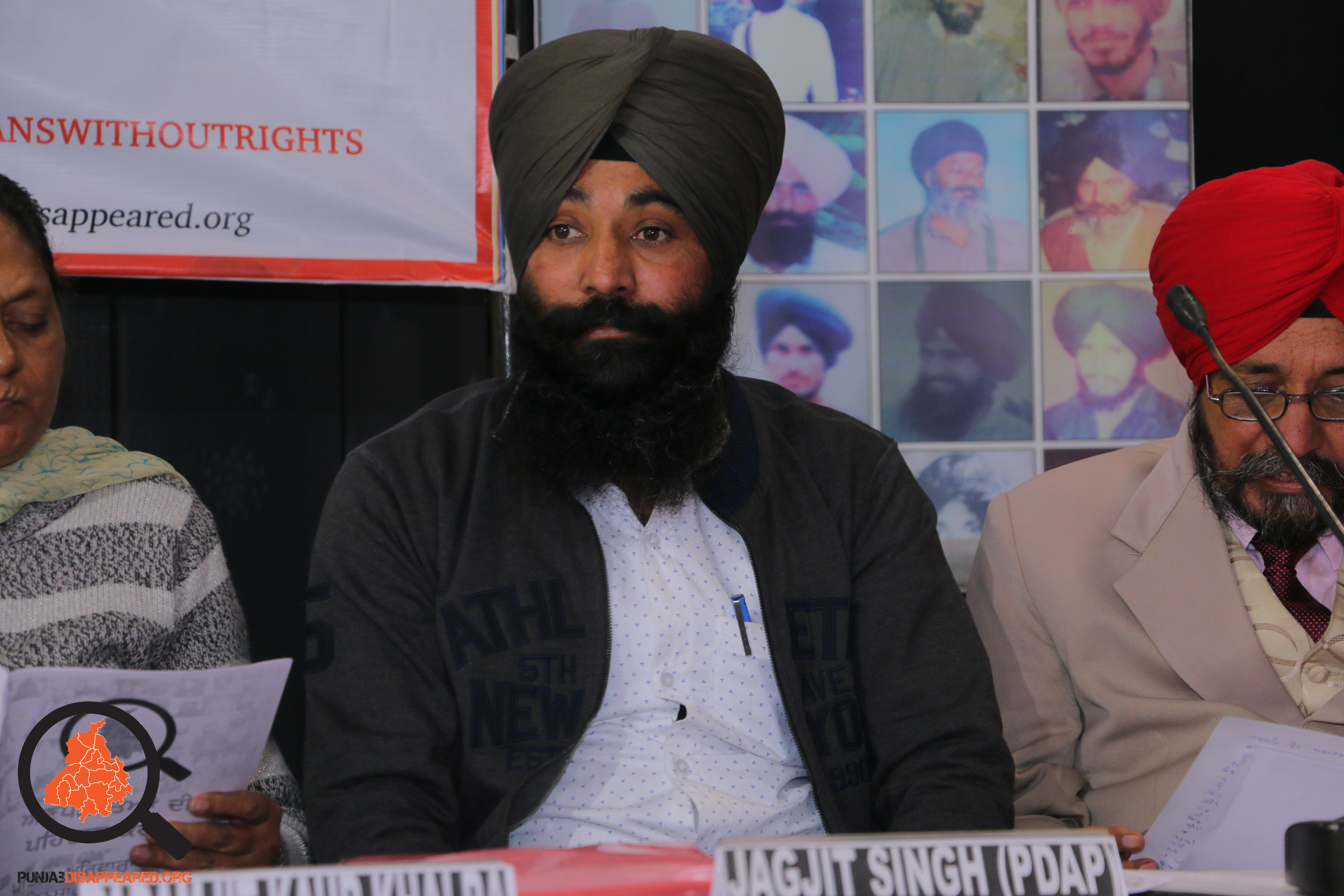
Satnam Singh Bains, a human rights advocate for the PDAP, pointed out: “Our investigation revealed that 5,648 mass cremations of unclaimed and unidentified persons took place in Punjab between 1984 and 1995. The highest concentration of killings and illegal cremations took place between 1990 and 1993. The identities of another 2,609 victims have been ascertained, thereby bringing the total to 8,257.”
Most of these bodies were disposed of in an illegal manner.
Investigation process
By visiting numerous cremation grounds in Punjab, this team of human rights lawyers and activists was able to gather 800 pages of records from across the 22 districts of the state. These details were then cross-checked against FIRs. Further cross-referencing was undertaken with victim and family testimonies, and also corroborated with news reports in the then vernacular and other dailies.
Explaining the methodology used, Bains said, “We have used 87,000 archived reports of different newspapers for the period between 1984 and 1995. These included Ajit, Jagbani, Punjab Tribune, English Tribune and other Punjabi and Sikh periodicals to help facilitate this identification process.”
An examination of 6,004 encounter killings has revealed that 95% of these were extra-judicial killings. The largest number of killings in a single encounter has been 17.
Response of NHRC
The families of victims have filed 2,500 petitions before the National Human Rights Commission (NHRC) between 1997 and 2012. The organisation, however, chose to restrict its enquiry to the 2,097 cremations in the three crematoria in Amritsar and refused to investigate any killings that took place outside the district. This refusal resulted in the derailment of proceedings by 21 years.
The PDAP is now planning to submit their findings before the Supreme Court so that justice can be meted out victims’ families.
The advocacy group started its investigation from the Gurdaspur district in the Majha belt, which they believed witnessed a large number of extra-judicial killings. One such hotspot was the Beeko Interrogation Centre located in the Batala district of Gurdaspur – which was earlier a factory. Hundreds are believed to have been tortured here.
These bodies, the report claims, were cremated with utmost secrecy in the municipal cremation ground, the records of which have helped provide some estimation about the number of people who died there.
The procedure at the cremation grounds was as follows. When a body would be brought for cremation, a summary of the cremation expenditure, comprising firewood and cloth, would be prepared and submitted before the municipal committee, which would then approve the cost and put it down in the register.
The PDAP investigation unearthed that 469 unclaimed and unidentified cremations were conducted in the Batala cremation grounds. In Amritsar, 538 cremations were conducted in the Patti cremation ground.
In all, the team was able to uncover 612 unclaimed and unidentified cremations in Gurdaspur’s three crematoria between 1984-1990 and 1994-1995. Data for the four years in between was missing. In all, 800 pages of records from different districts have been collected.
This investigation has faced its own set of problems. To start with, Bains said, “Since there were no dead bodies to exhume, no bones, no DNA profiling could be done. We had to fall back on witness evidence and corroborate these with official records. We decided to divide our findings in three categories. The first category comprised exact identification when the dates of the death coincided with the dates of the accounts given. The second was of highly likely matches where the cremations can be matched with the witness evidence in a short window of two days and there is the third category of possible matches where the evidence remains evidential.”
Police officials speak out
PDAP has also managed to talk to people who were witness to these extra-judicial killings. Punjab police constable Satwant Singh Manak is one of the few cops who spoke on how he witnessed 15 of them. The turning point, Manak told this reporter, was when he witnessed the killing of a young teenager by the name of Kulwant Singh Kanta.
Manak said, “He must have been around 16-18 years of age. He was at his bua’s (aunt’s) house when the cops came knocking. The cops were looking for a militant by that name. The boy was picked up though the cops knew he was innocent. He was tortured and killed and his body was disposed by throwing it in the canal.”
“This boy’s killing disturbed me so much that I left the police force and filed a legal petition against the officers responsible for his death. The families of ten other boys whose death I had witnessed have joined me in this petition which is presently pending before the Supreme Court,” he added.
He admits to having received offers of inducements but he has refused to withdraw his charges, stating, “Money is not everything. When I said I would expose false encounters witnessed during my service, I was implicated in false cases and my family members including my father were tortured. It is not about money now. I need justice for myself and my family and for those innocents who became prey to overambitious cops who just wanted promotions at any cost.”
Bains points out that Manak is not the only police office to have spoken out. In 2015, Kanwar Sandhu did a lengthy interview with Gurmeet Singh Pinky, an officer of the Punjab police who admitted on the record to having witnessed over 50 fake encounters.
The report highlights how other eyewitnesses have also corroborated that police officials use third-degree torture during interrogations.
Problems faced during investigation
PDAP activists admit to limitations in their collection of evidence. For example, not every “unclaimed and unidentified body” resulted in an application for firewood and cloth. If the cremation attendants or the police did not apply for firewood and cloth, the bodies would be cremated as unclaimed and unidentified and there would be no entry in the firewood stock register, as was the case in the Khalra mass cremations. Also, this data was dependent on the municipal committee’s own records. If no expenditure took place, there would be no records – but that did not mean a cremation did not take place.
The report refers to evidence provided by villagers which has not been accepted by the NHRC. It cites the example of how a police operation in the village of Behla in Amritsar on June 9, 1992, to track down a militant named Surjit Singh and two of his associates, led police officials to raid the house of an ex-MLA where these militants were suspected to be hiding.
In this operation, the cops used seven to eight villagers as human shields. One of the villagers was Kartar Singh, whose son Virsa Singh is now fighting for justice for his father.
This encounter in Behla village lasted 34 hours as the militants were hiding in a bunker and were heavily armed. It resulted in the killing of all three militants and six villagers who were used as human shields. The cops tried to cover up the killings of the villagers by portraying them as being “militants killed in a genuine encounter”.
Virsa, before the Independent People’s Tribunal (IPT) held on April 1-2, 2017, talked about how his father Karta along with other villagers was forced to act as a shield while the cops tried to eliminate the militants. The dead bodies of the villagers were cremated at Tarn Taran. He also revealed that he tried to secure his father’s dead body to perform his final rites but the hospital refused to give it. Virsa pointed out that no mention of the cremations of the nine people killed on June 9, 1992 has been made into the CBI list of unidentified cremations, even though the SHO Gurbachan Singh had listed their names in the FIR that was filed in his thana.
Patricia Grossman, a senior researcher with Human Rights Watch, has in her book India’s Secret Armies written about a police officer who estimated that at the height of Operation Rakshak, “500 people were killed by the police from his police station alone.”
The trigger for the PDAP investigation has been the abduction and killing of human rights activist and lawyer Jaswant Singh Khalra, who had joined the Human Rights Wing of the Akali Dal in the 1990s. In 1994, Khalra was investigating the disappearance of a friend whose body, he discovered, the police had secretly cremated at the Durgiana Mandir cremation ground in Amritsar district.
Khalra had launched an investigation on these secret cremations and used these government records to release a report on the disappearances. The police attempted to discredit him by claiming he had links with militants, but Khalra was willing to take the authorities head on. On September 6, 1995, he was picked up by the cops in the presence of Rajiv Singh, a journalist from the Ajit groups of papers.
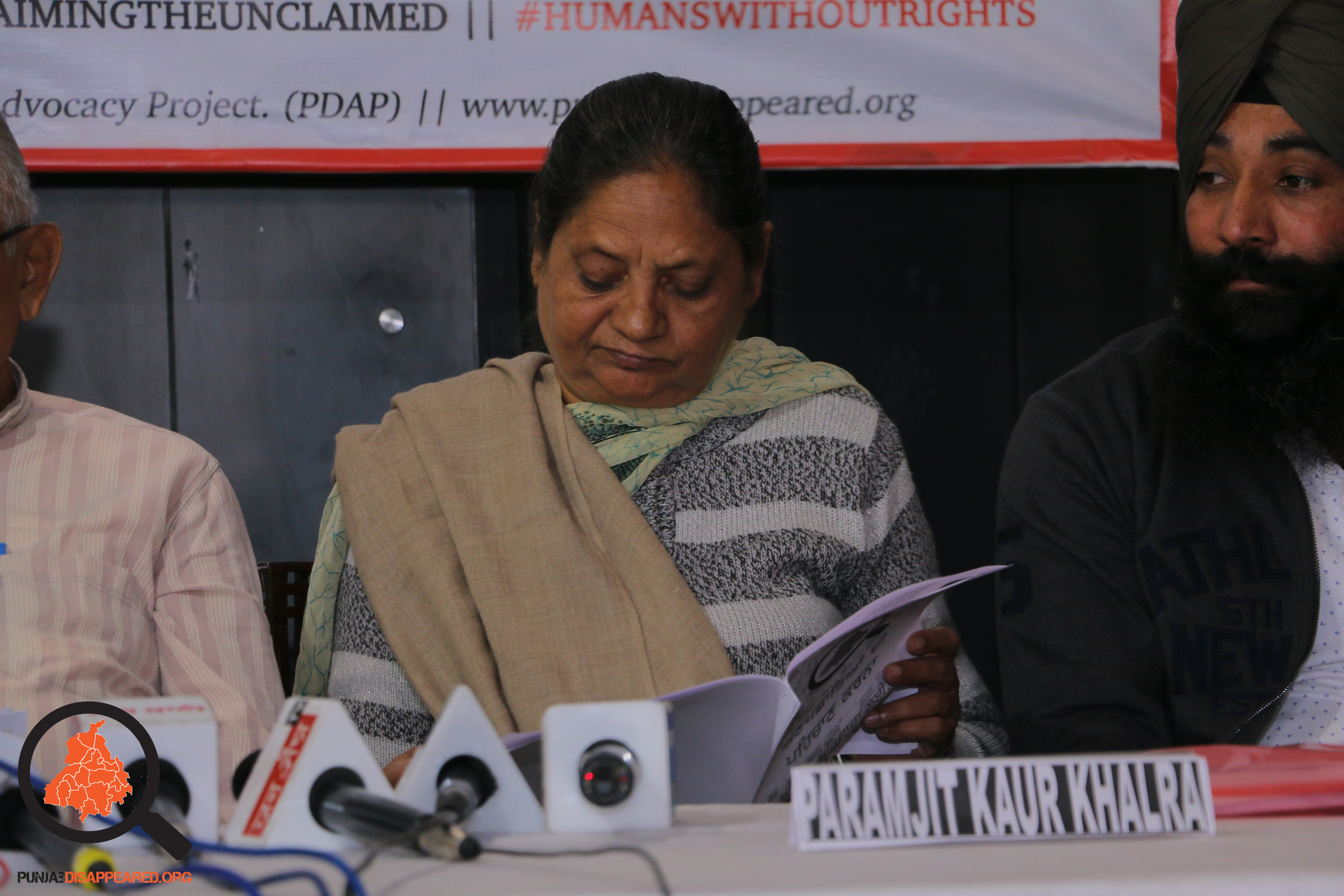
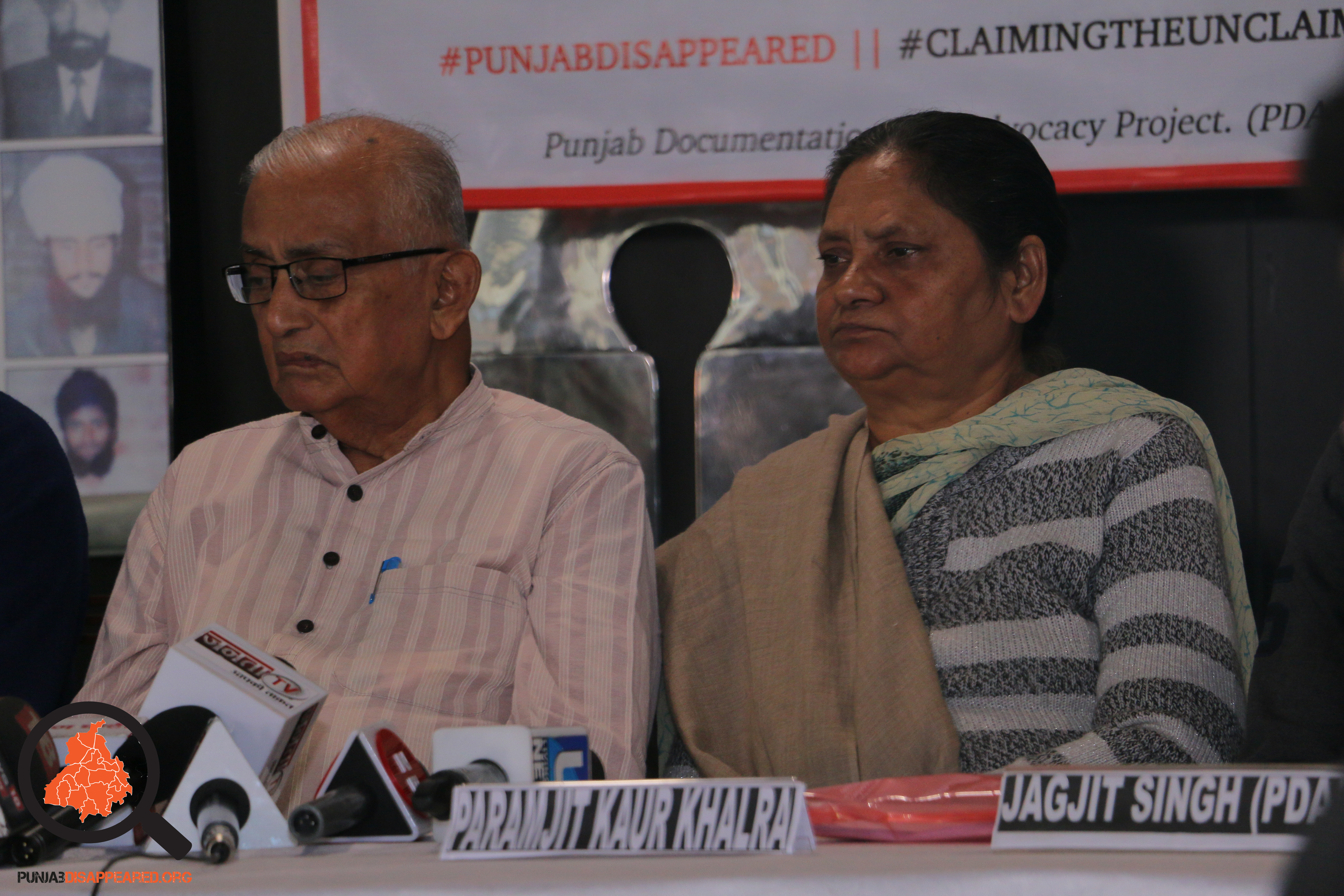
Jaswant’s wife Paramjit Kaur, when trying to track down her husband, learnt that he had “mysteriously disappeared”. She subsequently filed a habeas petition in the Supreme Court but her husband could not be tracked down. While Paramjit received compensation of Rs 10 lakh for the disappearance of her husband, the NHRC gave a compensation payment of Rs 1.75 lakh to 1,245 individuals who were the next of kin of those wrongfully cremated.
By refusing to investigate cremations that took place outside Amritsar, to hear any evidence from survivor families or witnesses, and to accept challenges to the police version of events based on victim testimony, the NHRC has in effect shielded the perpetrators, pointed out human rights lawyer Colin Gonsalves, who represented the survivors families before the NHRC .
Justice A.K. Ganguly (retd), a Supreme Court judge speaking at the IPT panel, expressed shock and dismay that the NHRC had limited its investigation to the three crematoria in Amritsar, Tarn Taran and Majitha, and left the rest of Punjab completely untouched. “As a human rights activist, I feel that any case of cremation of human bodies and then describing them as unidentified, is itself a gross violation of human rights…this is a total denial of the rights of the people of Punjab.”
Nor did the NHRC hold any officials accountable for repeated violations of the law, thereby creating a sense of impunity amongst people who have broken the law. This led tribal activist Soni Sori to emphasise at the IPT that if the Punjab police had been taken to task for their excesses, then the systematic violations of the rights of life and liberty in the states of Chhattisgarh, Kashmir and Manipur would not have occurred.
The PDAP are hoping that the highest court in the land will help provide a sense of reconciliation and reparation to thousands of affected families. This should also help remove the stigma attached to victims of ‘terrorists’, as they fall outside the scope of rehabilitation extended to other civilians. They are also demanding the setting up of an Independent Special Prosecution Office that can investigate and prosecute these mass state crimes.
Rashme Sehgal is a freelance journalist based in Delhi.
This article is was first published on the news website The Wire. You can read the original article here.
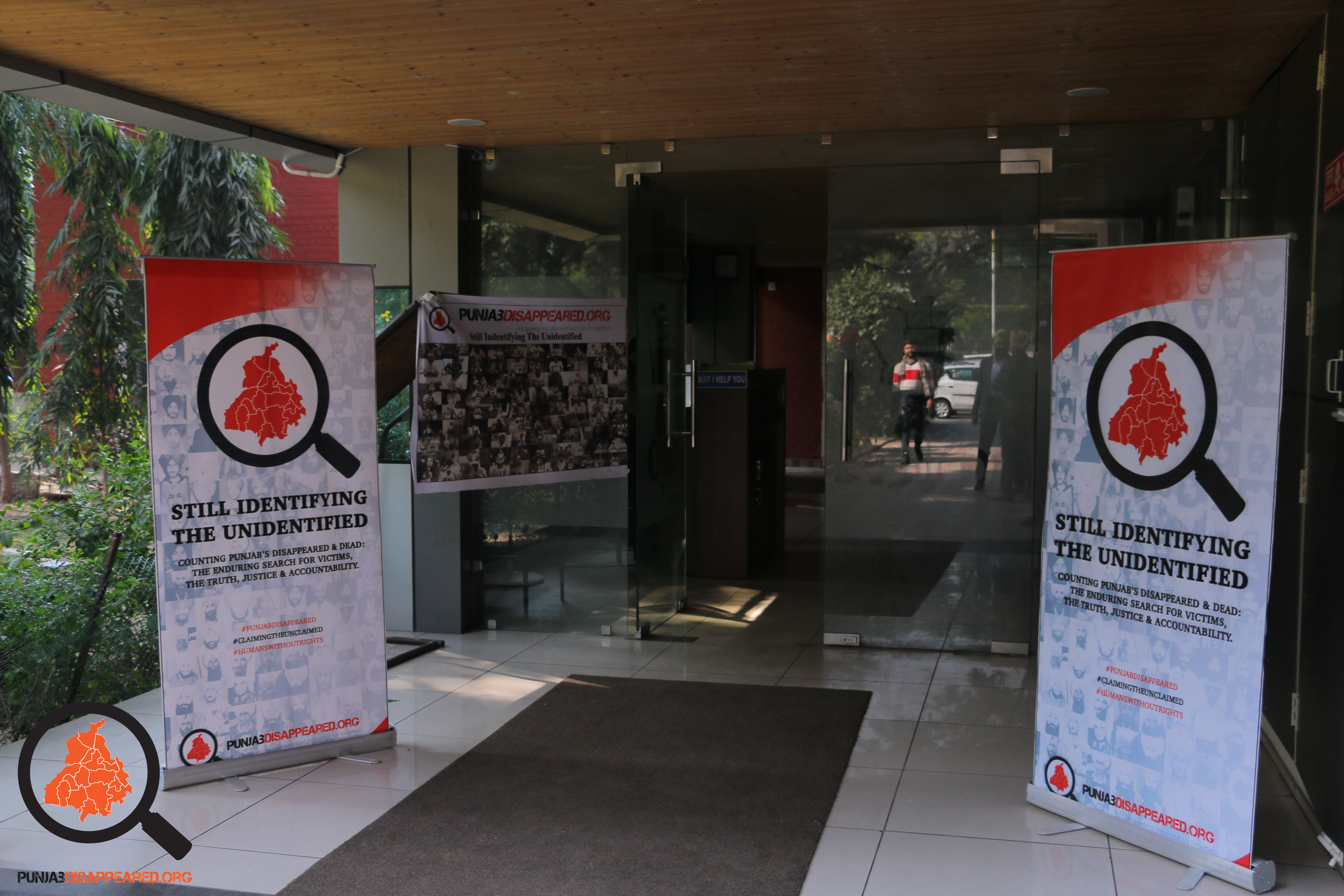
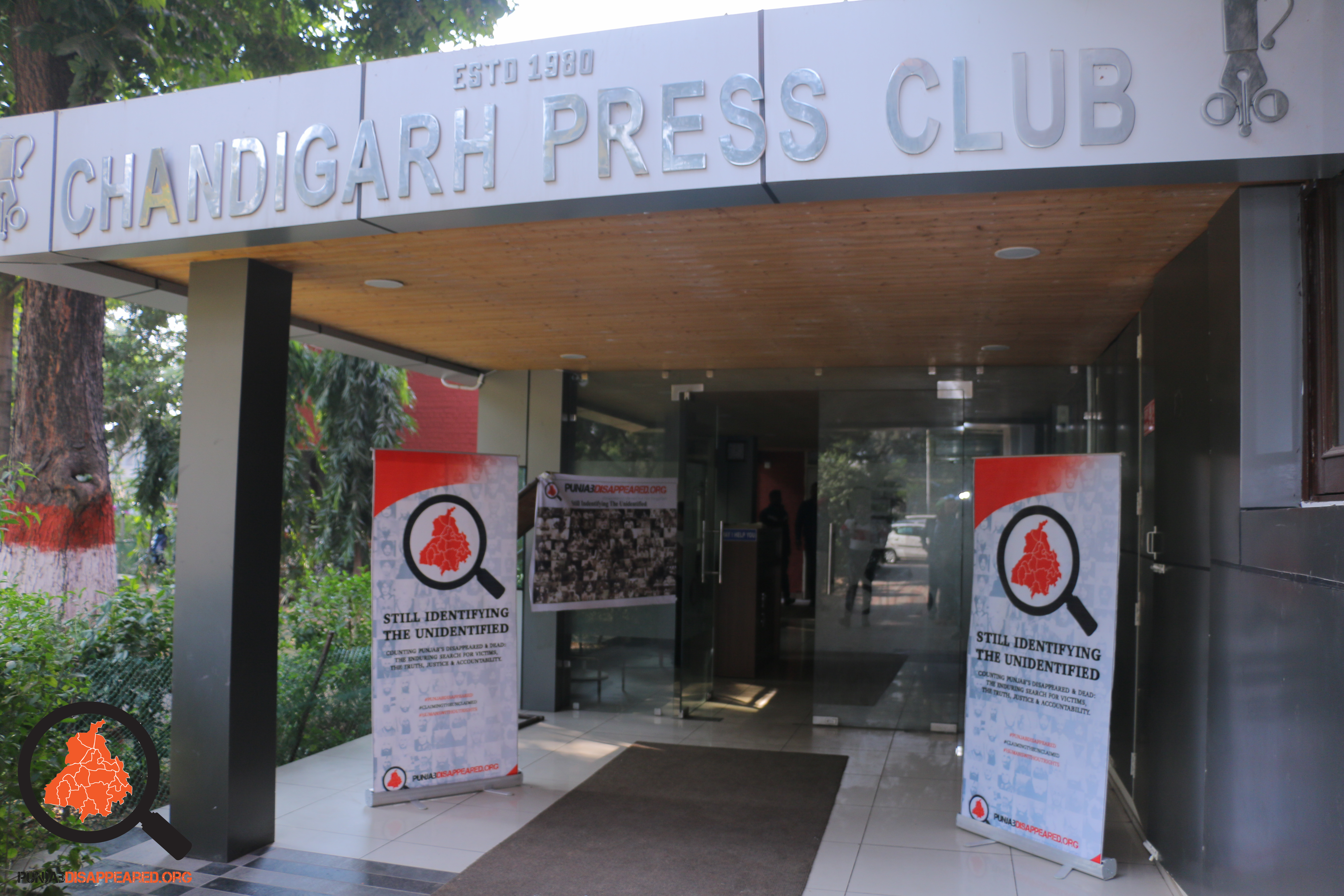
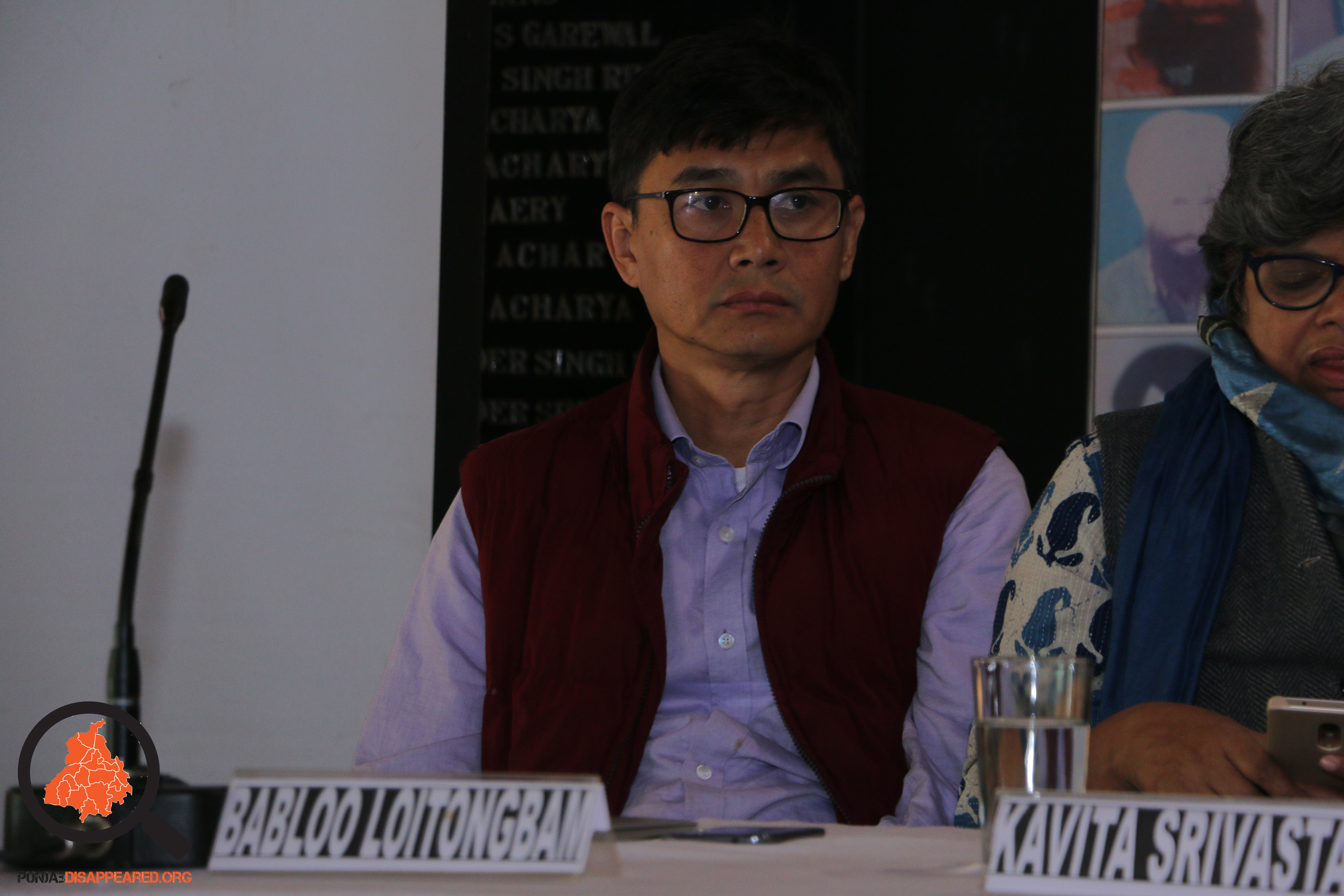
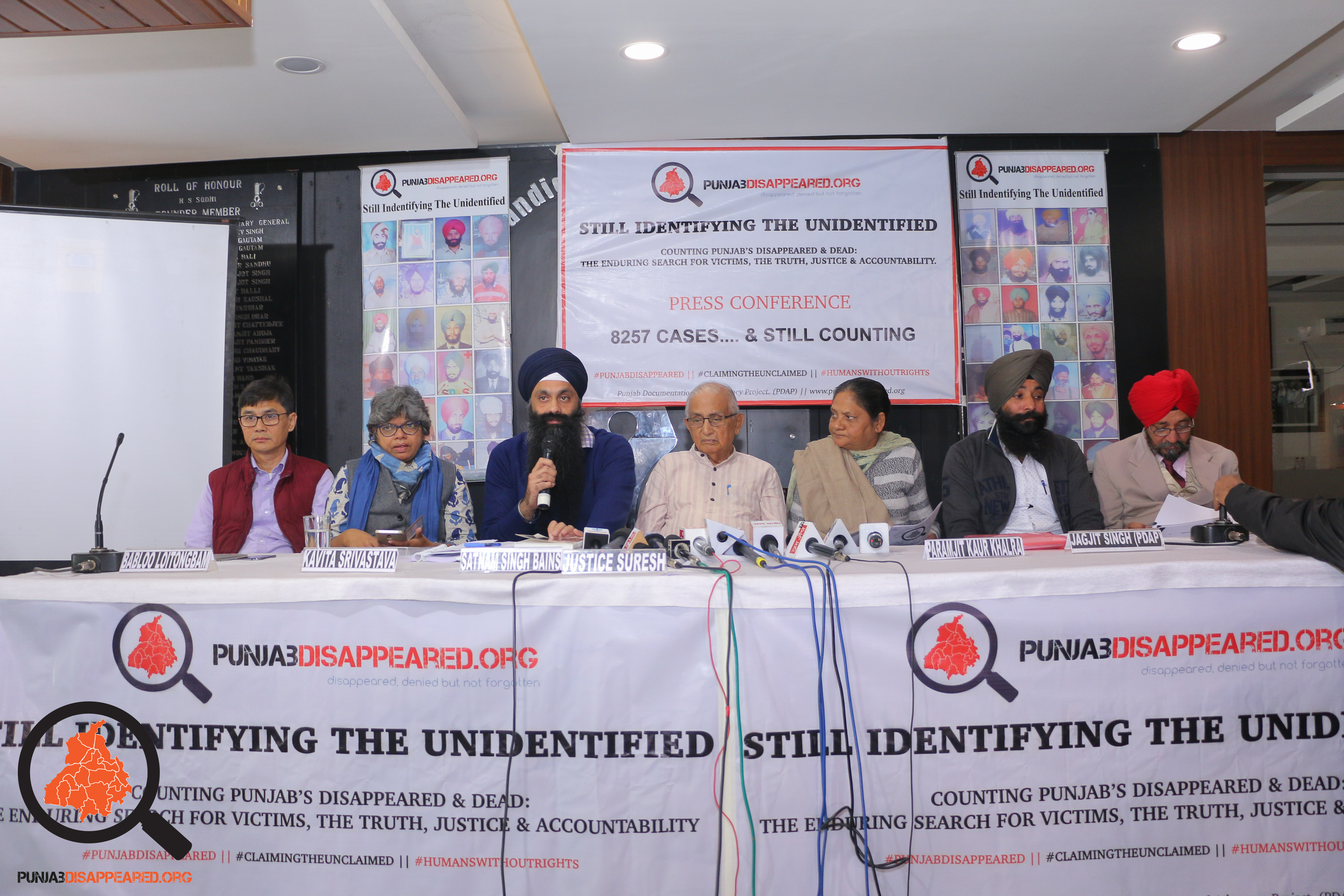
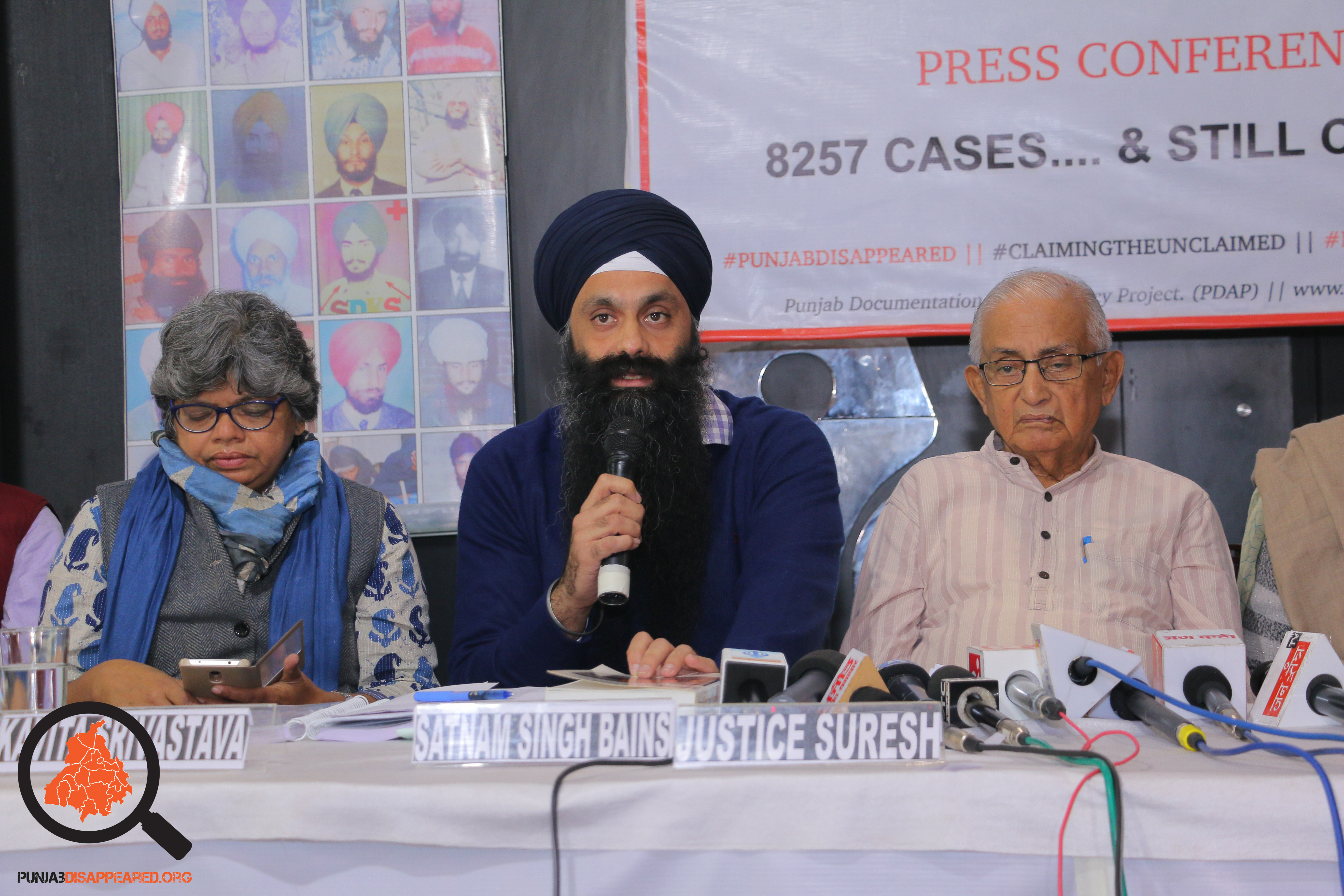
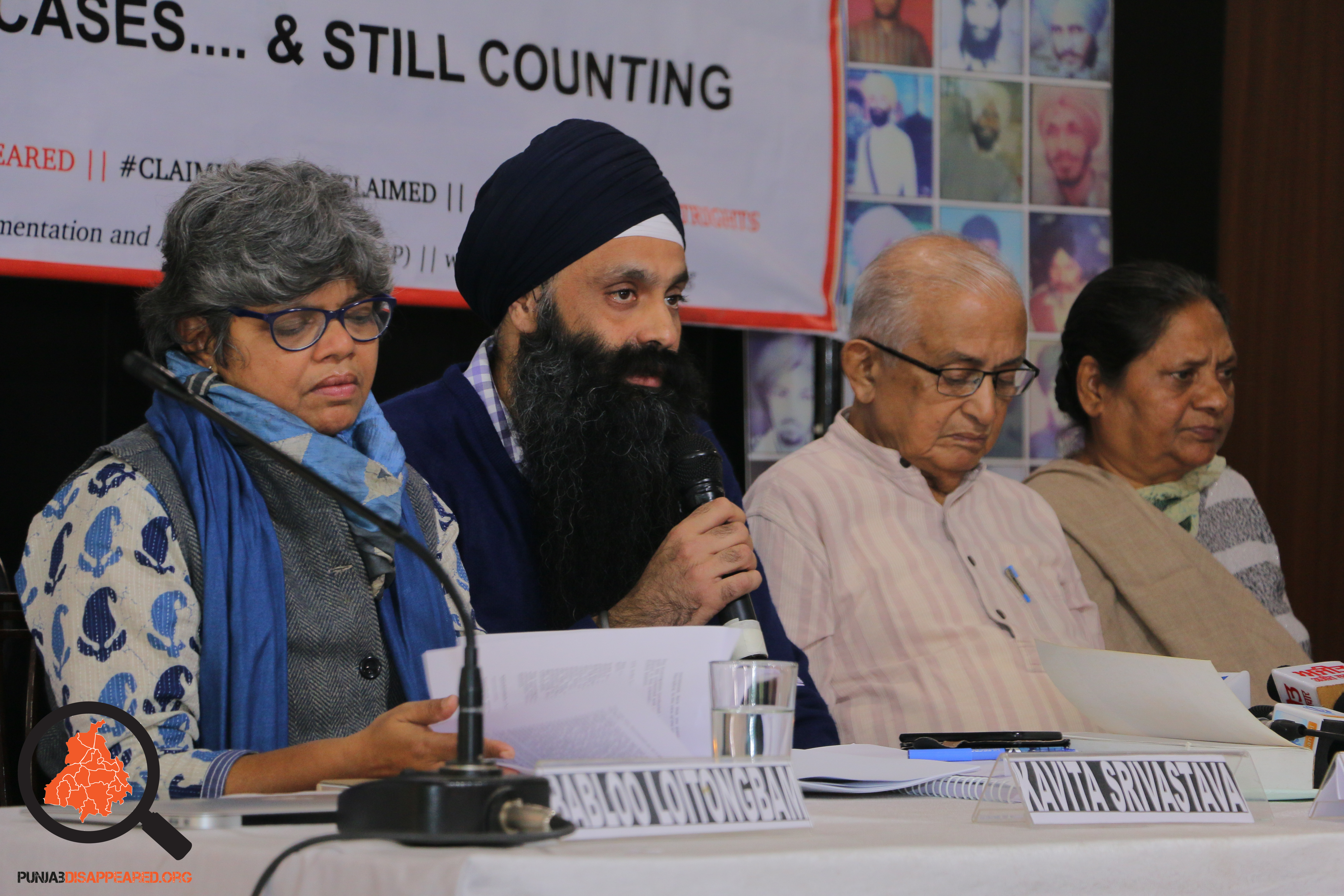
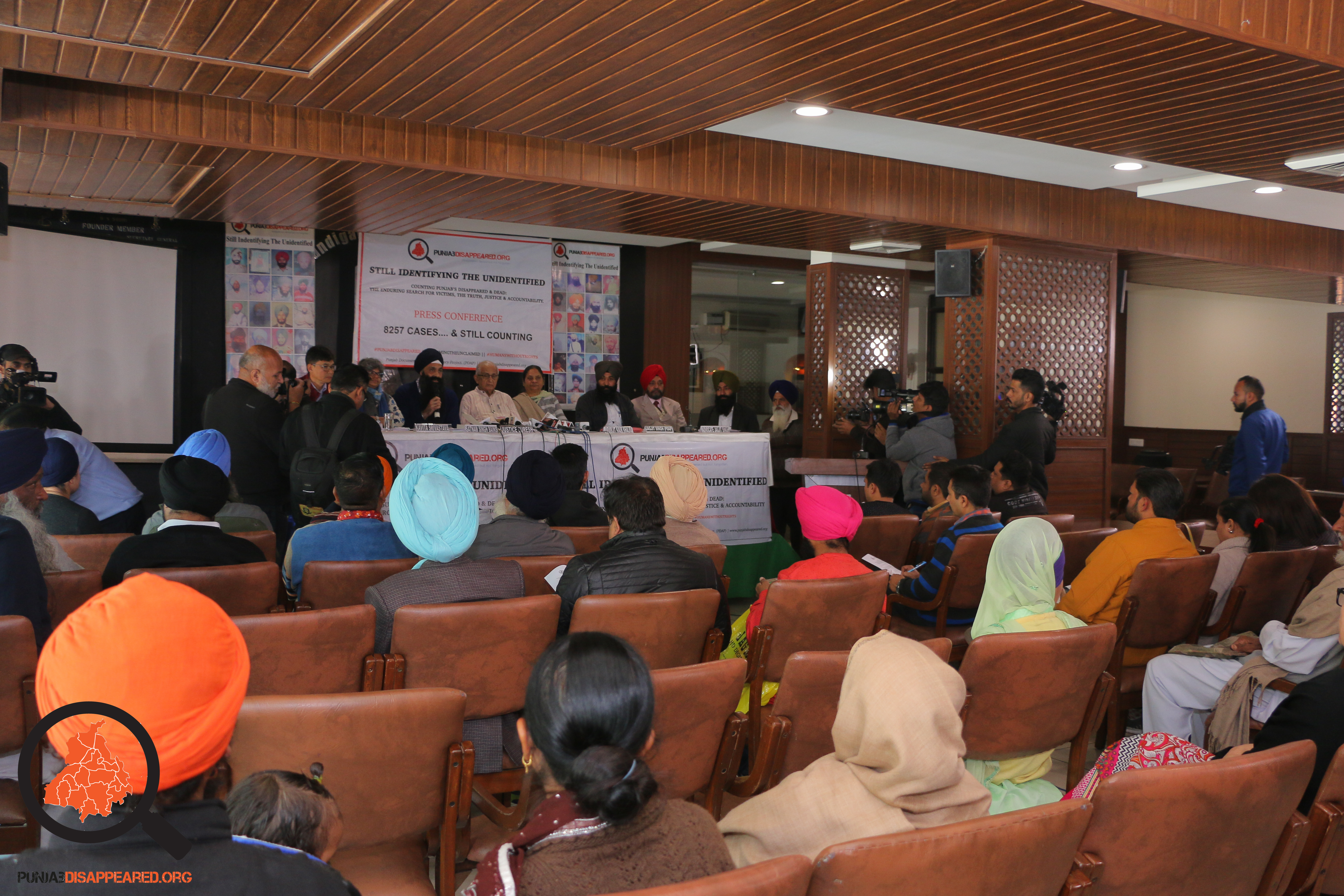
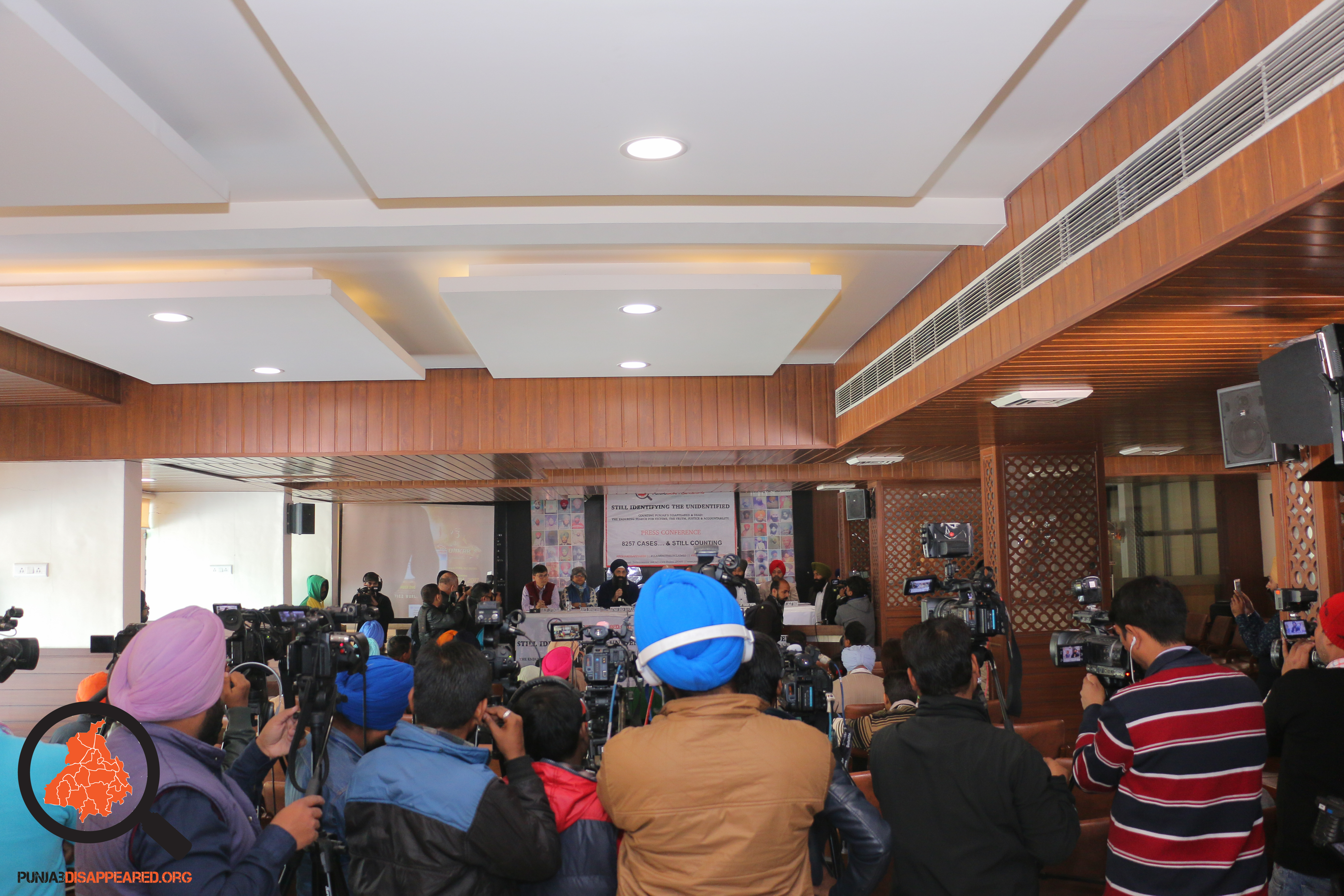
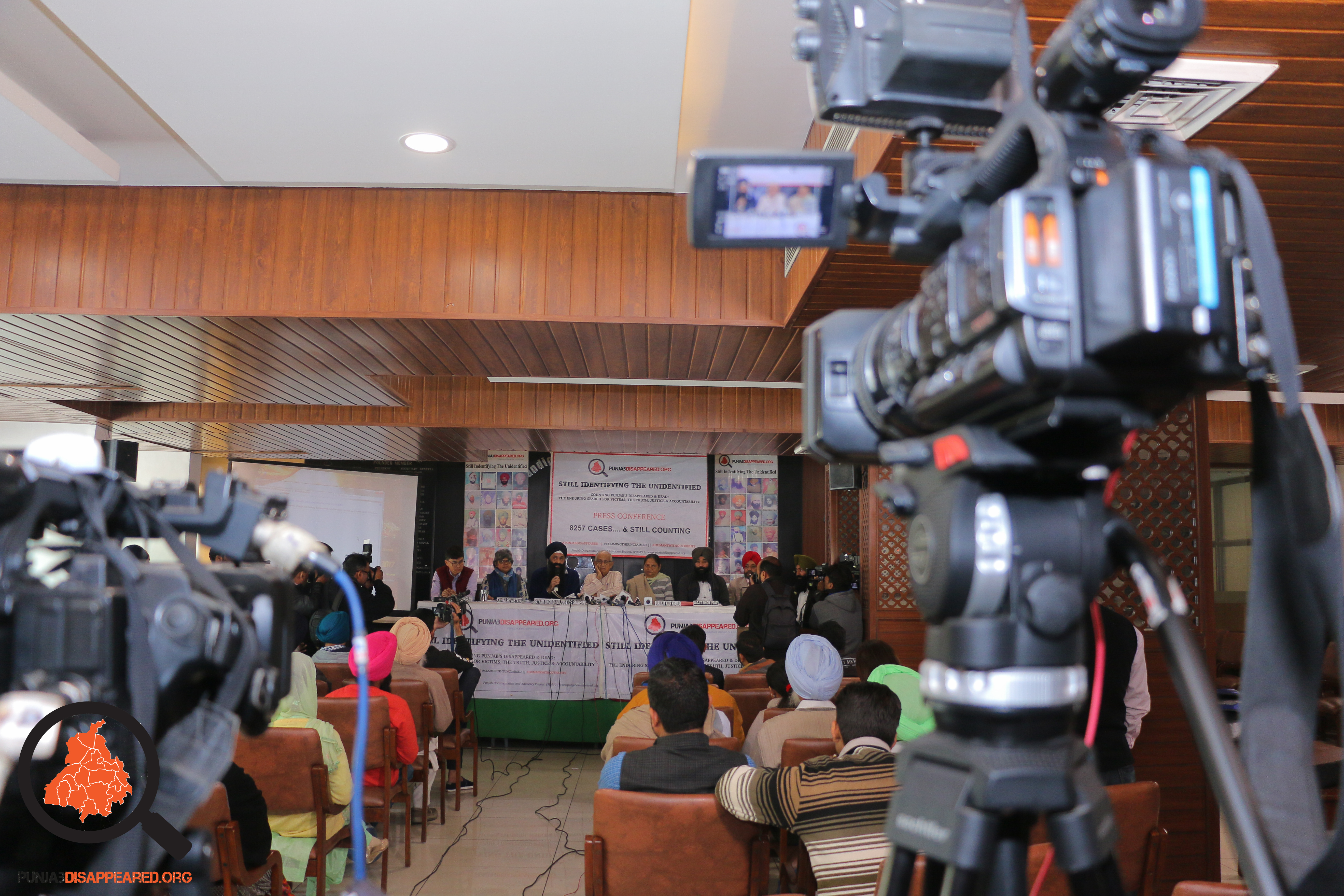
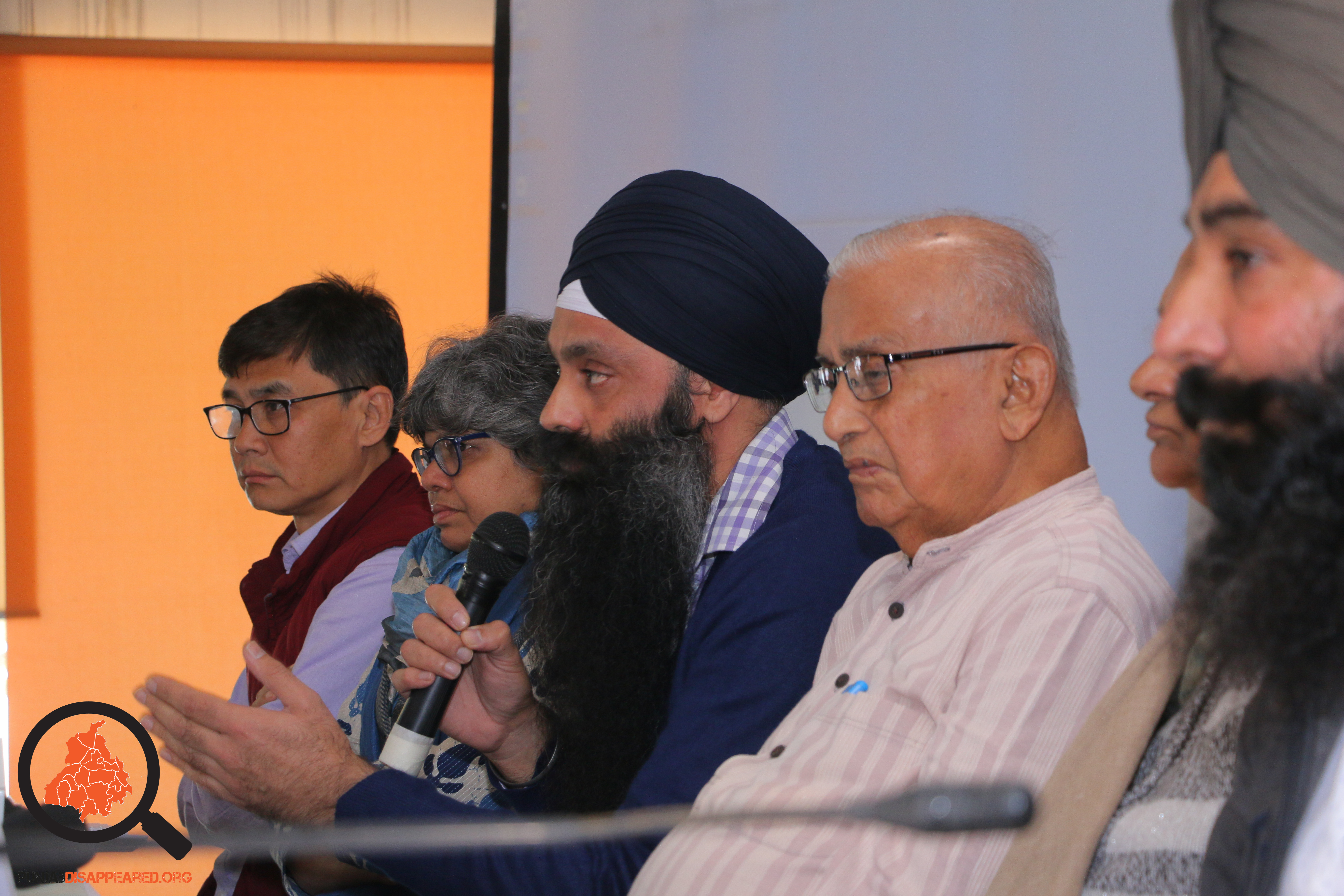
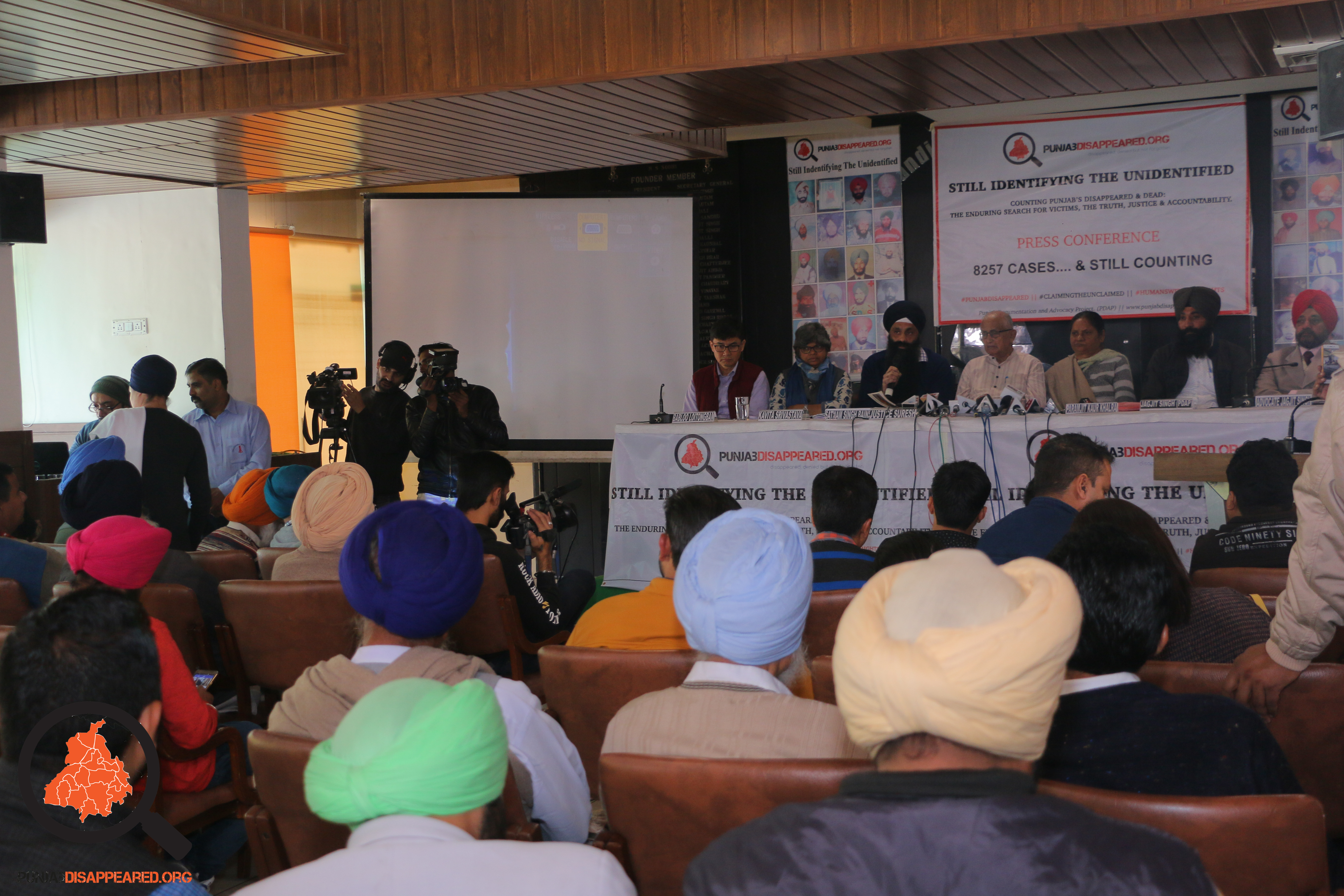
 The Punjab Documentation and Advocacy Project (PDAP) Saturday said it will approach the Supreme Court with “verifiable evidence” of over 8,000 extra-judicial killings and enforced disappearances in Punjab during 1980-1995.The group, a part of The Independent People’s Tribunal (IPT), an outfit of human rights organisations, will also be asking the apex court to give a compensation of Rs 25 lakh to families of each of the persons who went missing, The Tribune reports.Addressing the media in Chandigarh , Justice Suresh (retired from the Bombay High Court); Satnam Singh Bains, human rights activist; Kavita Srivastava, national convener, Peoples Union for Civil Liberties; and Paramjit Kaur Khalra of Khalra Mission Organisation said they had collated compelling information of 8,257 cases of enforced disappearance and fake encounters, following a seven-year investigation.Their report “Indentifying the Unidentified” reveals unknown, unclaimed and unidentified mass cremations, which they claim is verifiable evidence of the killings by the Punjab Police and security services across Punjab.The initial investigation report was released by the group in Amritsar in April this year. A group of retired judges, lawyers and activists from across the country had then come and heard testimonies of 700 victim families. Their report also considers the recent failings of the National Human Rights Commission in the “Punjab mass cremations” case, based on the work of slain human rights activist Jaswant Singh Khalra.